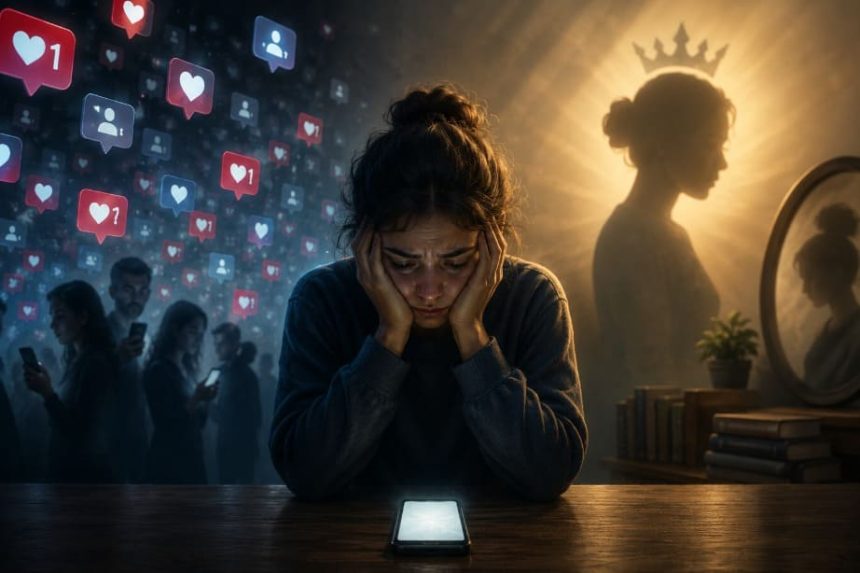
Silent addiction to Validation and attention is one of the most silent emotional struggles people face today. Many individuals constantly search for approval, compliments, reactions, likes, messages, and reassurance from others without even realizing how deeply dependent they have become. It often begins subtly. A person may simply want to feel appreciated, loved, or noticed. But over time, this emotional need can transform into a powerful addiction that controls self-worth, confidence, relationships, and mental peace.
1. Childhood Emotional Neglect
Many people who constantly seek validation often grew up feeling emotionally ignored or unseen. If love and appreciation were only given when they achieved something or behaved perfectly, they may develop the belief that their worth depends on approval. As adults, they continue searching for attention because deep inside they still crave the emotional reassurance they lacked during childhood. Compliments and validation temporarily make them feel valued, but the feeling never lasts long because the deeper emotional wound remains unhealed.
2. Social Media Reinforcement
Social media has made validation addiction stronger than ever. Likes, comments, views, and followers give people temporary emotional satisfaction. Many individuals begin measuring their value through online attention. If a post gets low engagement, they may feel rejected or unimportant. Over time, people stop posting to express themselves and start posting mainly to receive approval. Their confidence becomes controlled by digital reactions instead of genuine self-worth.
3. Fear of Rejection
Many individuals constantly seek attention because they are deeply afraid of being ignored, abandoned, or forgotten. Validation gives them temporary reassurance that they matter to others. However, this comfort fades quickly, causing them to seek approval repeatedly. Even small situations like delayed replies or lack of attention can trigger anxiety and overthinking. Their emotional stability becomes dependent on external reassurance instead of inner confidence.
4. Low Self-Esteem
People with low self-esteem often struggle to believe in their own value. Because they cannot validate themselves internally, they depend on compliments and attention from others to feel good enough. Praise temporarily boosts their confidence, while criticism deeply hurts them emotionally. Their self-worth becomes fragile because it is built on outside opinions rather than self-acceptance. This creates a cycle where they constantly seek approval to feel secure.
5. Comparison Culture
Modern society encourages constant comparison. People compare beauty, relationships, success, and lifestyles every day, especially through social media. This often creates feelings of inadequacy and insecurity. To feel important again, many individuals seek validation and attention from others. Compliments and recognition become ways to temporarily escape feelings of inferiority. Unfortunately, comparison never truly ends, so the need for validation continues growing.
6. Constant Need for Reassurance
A person addicted to validation often needs repeated reassurance from others. They may constantly ask if they are loved, appreciated, attractive, or important. Even after receiving reassurance, they continue doubting themselves internally. This happens because the real issue is emotional insecurity, not lack of compliments. Over time, this behavior can emotionally exhaust relationships because the person depends heavily on others for emotional stability.
7. Mood Depends on Attention
When someone becomes emotionally dependent on validation, their mood starts changing according to the attention they receive. Compliments and praise make them feel happy and confident, while being ignored makes them feel anxious or insecure. Their emotional state becomes controlled by external reactions rather than internal peace. This creates emotional instability because their happiness constantly depends on how others respond to them.
8. Overposting on Social Media
Many people addicted to validation frequently post photos, updates, or stories mainly to gain attention and reactions. They may constantly check views, likes, and comments to feel emotionally satisfied. If engagement is low, they can feel disappointed or rejected. Some even delete posts that do not receive enough attention. Instead of expressing themselves naturally, they begin chasing online approval for temporary confidence.
9. People-Pleasing Behavior
Validation addiction often causes people-pleasing behavior. Individuals may ignore their own needs, opinions, and boundaries just to be liked by others. They fear rejection and constantly try to gain approval by appearing perfect, helpful, or agreeable. Over time, they lose their authentic personality because they become focused on keeping others happy instead of being true to themselves.
10. Difficulty Being Alone
People addicted to attention often struggle with loneliness and silence. When they are alone without validation or interaction, they may feel empty, anxious, or emotionally unimportant. As a result, they constantly seek conversations, social media engagement, or attention to avoid facing their inner emotions. Learning to enjoy solitude becomes difficult because their self-worth depends heavily on external connection and recognition.
11. Anxiety and Overthinking
Validation addiction often creates constant anxiety and overthinking. People become emotionally dependent on how others respond to them, so they analyze every small interaction deeply. A delayed message, short reply, or lack of attention can make them feel rejected or unwanted. They spend hours questioning what they did wrong or whether someone is losing interest in them. Their mind becomes filled with insecurity because their emotional peace depends on external reactions. Over time, this constant overthinking becomes mentally exhausting and affects their overall happiness.
12. Emotional Exhaustion
Trying to constantly gain approval from others can become emotionally draining. People addicted to validation often feel pressure to look perfect, act perfectly, and keep everyone happy all the time. They may hide their real emotions just to maintain attention and admiration from others. This continuous performance slowly exhausts them mentally and emotionally. Even though they receive temporary happiness from validation, they eventually feel tired because they are constantly seeking reassurance instead of feeling secure within themselves.
13. Identity Loss
When someone changes themselves repeatedly to gain attention and approval, they slowly lose touch with their true personality. They begin behaving according to what others like rather than what genuinely reflects who they are. Over time, they stop understanding their real interests, opinions, and emotions because their main focus becomes pleasing others. This creates confusion and emotional emptiness. Living for validation often forces people to wear emotional masks that disconnect them from their authentic identity.
14. Fear of Criticism
People addicted to validation usually struggle to handle criticism emotionally. Since their self-worth depends heavily on external opinions, even small negative comments can deeply hurt them. Criticism feels personal because it threatens the approval they emotionally depend on. As a result, they may become defensive, insecure, or emotionally broken after hearing negative feedback. This fear often stops them from taking risks, expressing themselves honestly, or growing emotionally because they constantly worry about being judged.
15. Unhealthy Relationships
Validation addiction can lead people into emotionally unhealthy relationships. They may stay attached to toxic individuals simply because they fear losing attention, affection, or reassurance. Sometimes they tolerate disrespect, manipulation, or emotional neglect because receiving occasional validation feels better than being alone. They confuse attention with genuine love and emotional connection. This emotional dependency creates relationships built on insecurity rather than trust, stability, and healthy affection.
16. Constant Need for Attention
A person addicted to validation often feels uncomfortable when they are not receiving enough attention. They may constantly seek compliments, reassurance, messages, or recognition from others to feel emotionally secure. If attention decreases, they may feel ignored or emotionally unimportant. This need can become exhausting for people around them because no amount of attention ever feels fully enough. The emotional craving keeps returning because the deeper insecurity still exists internally.
17. Jealousy and Insecurity
Validation addiction often increases jealousy and insecurity. People begin comparing themselves with others and fearing that someone else may receive more attention or admiration than them. In relationships, they may become overly possessive or anxious because they constantly fear being replaced. Even harmless situations can trigger emotional insecurity. Their fear is usually not about losing love itself but losing the validation and reassurance that makes them feel worthy.
18. Seeking External Attention
Some individuals who struggle with validation addiction seek attention from multiple people to constantly feel desired and important. They may flirt excessively, post attention-seeking content online, or depend on compliments from strangers for confidence boosts. This behavior is often misunderstood as confidence, but internally it usually comes from insecurity and emotional emptiness. External attention becomes a temporary way to escape feelings of self-doubt and inadequacy.
19. Emotional Dependency
Validation addiction can create strong emotional dependency in relationships and friendships. A person may rely heavily on others for happiness, confidence, and emotional stability. Without constant reassurance and affection, they feel anxious or emotionally lost. This dependency creates pressure within relationships because their emotional well-being becomes completely tied to another person’s attention and behavior. Healthy relationships require emotional balance, not constant emotional dependence.
20. Conflict and Misunderstanding
People addicted to validation often misinterpret small situations as signs of rejection or disinterest. If someone becomes busy, quiet, or emotionally distant for a short time, they may immediately assume something is wrong. This leads to emotional reactions, arguments, overthinking, and misunderstandings. Because their insecurity is so strong internally, they often react emotionally before understanding the actual situation. Over time, these patterns can damage relationships and create unnecessary emotional tension.
21. Healthy Validation
Healthy validation is completely normal and emotionally important in life. Every person wants love, appreciation, encouragement, and recognition from others. Compliments and support can strengthen confidence and emotional connection. However, emotionally healthy people do not completely depend on external approval to feel worthy. Even without constant praise, they still value themselves internally. Validation becomes a positive addition to their life rather than the foundation of their self-worth and happiness.
22. Validation Addiction
Validation addiction begins when approval becomes emotionally necessary instead of emotionally appreciated. A person starts feeling empty, anxious, or insecure without constant attention and reassurance. Their confidence depends entirely on how others react to them. Compliments temporarily make them feel valuable, while criticism or silence emotionally destroys them. Over time, they lose emotional independence because their happiness becomes controlled by external opinions rather than internal self-belief.
23. Build Internal Self-Worth
Healing from validation addiction starts with building self-worth internally. People must learn to recognize their own value without needing constant approval from others. Real confidence develops when someone accepts themselves even during moments when nobody praises or notices them. Self-worth should come from personal growth, character, values, and self-respect rather than public attention. The stronger inner confidence becomes, the weaker the emotional dependence on validation starts to feel.
24. Reduce Comparison
Constant comparison silently destroys emotional peace and self-confidence. People often compare their appearance, relationships, achievements, and lifestyle with others, especially online. This creates feelings of inadequacy and emotional dissatisfaction. Healing begins when individuals stop measuring their worth against someone else’s life. Every person has different struggles, strengths, and journeys. Focusing on personal growth instead of comparison helps reduce the constant need for validation and approval.
25. Spend Time Alone
Many people addicted to attention struggle with solitude because silence forces them to face their inner emotions. Learning to spend time alone helps build emotional independence and self-awareness. Solitude teaches individuals that they can still feel valuable without constant interaction or validation from others. Over time, being alone becomes peaceful instead of emotionally uncomfortable. This helps reduce emotional dependency on attention and creates stronger inner stability.
26. Limit Social Media Dependence
Reducing social media dependence can greatly improve emotional health and self-esteem. Constant exposure to online validation creates unhealthy emotional habits where people rely on likes and reactions for confidence. Taking breaks from social media helps individuals reconnect with real life and focus on genuine emotions instead of digital approval. It also reduces comparison, overthinking, and the pressure to constantly appear perfect for others online.
27. Practice Self-Validation
Self-validation means learning to appreciate and emotionally support yourself without always needing reassurance from others. Instead of waiting for compliments or approval, individuals begin recognizing their own efforts, progress, and worth internally. This creates emotional stability because confidence no longer depends entirely on outside opinions. Practicing self-validation helps people feel secure within themselves and reduces the constant emotional craving for attention and recognition.
28. Accept Imperfection
Many people seek validation because they are afraid of being imperfect or judged by others. They try to appear flawless to gain approval and avoid criticism. However, perfection is impossible, and constantly chasing it creates emotional exhaustion. Accepting imperfections helps individuals become more authentic and emotionally free. When people stop trying to impress everyone, they begin feeling more confident, peaceful, and comfortable with who they truly are.
29. Heal Emotional Wounds
Validation addiction is often connected to deeper emotional pain from childhood neglect, rejection, betrayal, bullying, or past heartbreaks. These unresolved experiences create insecurity and emotional emptiness that people try to fill through attention and approval. Healing these emotional wounds is important because external validation can never permanently fix inner pain. Emotional healing allows individuals to develop healthier confidence and stronger emotional independence over time.
30. Focus on Genuine Connections
Real happiness comes from meaningful emotional connections rather than constant attention from others. Genuine relationships are built on trust, honesty, emotional understanding, and mutual respect — not endless reassurance and approval. When people stop chasing validation and start valuing authentic connections, relationships become healthier and emotionally fulfilling. Instead of needing attention to feel worthy, they begin experiencing love and connection in a more secure and peaceful way.