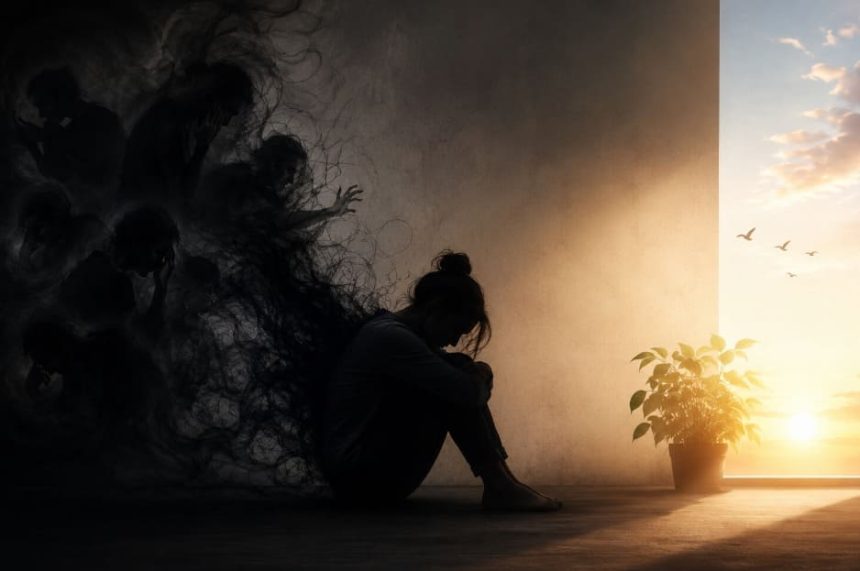
The pain you don’t talk about never truly disappears. It stays hidden inside your thoughts, reactions, fears, and daily life, quietly influencing the way you see yourself and others. Many people learn to hide emotional pain behind smiles, silence, or distractions, believing time alone will heal everything. But unspoken pain often grows deeper when ignored. It affects relationships, confidence, peace of mind, and emotional health in ways people may not even realize. Healing begins when you stop pretending nothing hurts and finally face the emotions you have carried for far too long.
1. Silent Pain Changes Your Personality Slowly
Unspoken emotional pain changes people gradually. Someone who was once open, loving, energetic, and trusting may become distant, emotionally unavailable, or constantly defensive. This transformation rarely happens overnight. Emotional suffering slowly reshapes behavior over time. A person hurt deeply enough may stop expressing emotions honestly because vulnerability begins to feel dangerous. They become quieter not because they have nothing to say, but because they no longer believe they will be understood. Pain can make kind people colder, confident people insecure, and emotionally expressive people emotionally numb. The saddest part is many people never notice how much hidden pain has changed them until they no longer recognize the person they once were.
2. Buried Emotions Always Find Another Exit
Pain that is never expressed does not stay trapped forever. Emotions eventually escape in other forms. Some people develop anger issues without realizing sadness is underneath. Others become emotionally detached, anxious, impatient, overprotective, or self-destructive. Suppressed emotional pain often appears through unhealthy habits, emotional breakdowns, trust issues, or sudden emotional reactions that seem too intense for small situations. The body and mind cannot carry emotional weight forever without consequences. What remains unspoken eventually leaks into daily life through emotional exhaustion, irritability, overthinking, or emotional shutdowns.
3. Emotional Pain Creates Invisible Walls
People who carry deep emotional wounds often build invisible emotional walls around themselves. These walls are created for protection, but over time they become prisons. Someone hurt repeatedly may struggle to trust others, accept love, or believe genuine care exists. Even when surrounded by good people, they may still feel emotionally alone because past pain trained them to expect disappointment. These walls make relationships difficult because emotional closeness begins to feel unsafe. The person may crave love deeply while simultaneously pushing people away out of fear of being hurt again.
4. The Mind Replays Unhealed Memories
Pain that remains unresolved tends to repeat itself mentally. The brain constantly revisits painful conversations, betrayals, regrets, losses, and humiliations in an attempt to process them. This is why certain memories continue hurting years later. Emotional wounds that never healed remain emotionally active. A single reminder, place, song, smell, or sentence can reopen emotions people thought they had buried long ago. The mind struggles to let go of pain it never fully understood or processed emotionally.
5. Hidden Pain Affects Relationships Deeply
Unspoken emotional suffering often damages relationships quietly. People carrying unresolved pain may overreact during arguments, struggle with communication, avoid emotional intimacy, or become emotionally dependent. Sometimes they expect others to heal wounds they never addressed themselves. Fear of abandonment, betrayal, rejection, or disappointment can shape relationship behavior without conscious awareness. Many relationship problems are not caused by lack of love but by unresolved emotional pain from the past influencing present behavior.
6. Emotional Suppression Leads to Exhaustion
Pretending to be okay every day is emotionally exhausting. Many people function normally while silently carrying overwhelming sadness inside. They continue working, smiling, helping others, and fulfilling responsibilities while internally struggling. This emotional masking consumes enormous mental energy. Over time, emotional suppression creates burnout, numbness, and emotional fatigue. People often say they feel “empty” because they spent years disconnecting from their real emotions in order to survive emotionally.
7. Pain Changes the Way You See Yourself
Long-term emotional pain can damage self-worth deeply. Hurtful experiences often create negative beliefs such as “I am not enough,” “I always get abandoned,” “Nobody truly cares,” or “I deserve this pain.” These beliefs become internal narratives repeated silently for years. Eventually, people stop questioning these thoughts and begin accepting them as truth. Emotional pain becomes dangerous when it starts defining personal identity rather than remaining a temporary experience.
8. Unspoken Trauma Can Control Decisions
Many life decisions are influenced by emotional wounds people never addressed. Someone afraid of rejection may avoid opportunities entirely. Someone emotionally betrayed may struggle committing to relationships. Someone constantly criticized during childhood may fear failure excessively. Emotional pain silently shapes choices because people naturally try avoiding experiences connected to past suffering. Often, fear controls decisions more than genuine desire.
9. The Body Remembers Emotional Pain
Emotional pain is not only psychological. The body also carries stress and unresolved trauma physically. Chronic stress, headaches, tension, insomnia, fatigue, appetite changes, and constant anxiety are sometimes connected to emotional suffering that was never processed properly. The human body stores emotional tension when the mind cannot release it safely. This is why emotional healing often improves physical well-being too.
10. People Often Minimize Their Own Pain
Many individuals invalidate their own emotions because they believe others have suffered more. They convince themselves their pain is not serious enough to discuss. As a result, they continue suppressing emotions rather than processing them honestly. But emotional pain does not need comparison to be valid. What deeply hurts one person may not hurt another in the same way. Emotional suffering becomes heavier when ignored simply because someone believes they should “just move on.”
11. Childhood Pain Often Follows Into Adulthood
Many adult emotional struggles are connected to unresolved childhood experiences. Lack of emotional support, criticism, neglect, emotional instability, or feeling unseen during childhood can shape adult emotional patterns permanently if never healed. Adults often carry childhood fears into relationships, careers, and self-worth without realizing it. The child who constantly felt rejected may become the adult who fears abandonment in every relationship.
12. Silence Can Become a Survival Habit
Some people learned early that expressing emotions was unsafe. They were ignored, judged, mocked, or emotionally dismissed whenever they tried opening up. Eventually silence became protection. Even when surrounded by safe people later in life, they may still struggle expressing emotions honestly because emotional suppression became a survival mechanism developed over years.
13. Pain Can Make Happiness Feel Uncomfortable
People who lived in emotional pain for long periods sometimes struggle accepting peace or happiness. Chaos becomes emotionally familiar. Stability may even feel strange or suspicious. They may unconsciously sabotage good relationships, opportunities, or moments because deep down they expect suffering more than peace. Emotional pain can condition the nervous system to remain alert constantly.
14. Unhealed Pain Increases Overthinking
Hidden emotional pain fuels overthinking because unresolved emotions search endlessly for answers. People replay conversations, analyze behavior excessively, imagine worst-case scenarios, and constantly question themselves. Overthinking is often an attempt to gain emotional control over uncertainty and fear. The mind becomes trapped in endless loops because emotional wounds remain unresolved internally.
15. Emotional Numbness Is Also Pain
Not feeling emotions strongly anymore does not always mean healing occurred. Sometimes emotional numbness develops because the mind becomes overwhelmed emotionally for too long. Emotional shutdown is often a defense mechanism created to avoid further suffering. People may stop crying, stop reacting, or stop caring deeply not because pain disappeared, but because emotional exhaustion became unbearable.
16. The Strongest People Often Hide the Most Pain
Many emotionally wounded people become extremely supportive, caring, and emotionally available for others while silently neglecting themselves. They know what pain feels like and try ensuring nobody else experiences it. However, constantly helping others while ignoring personal emotional needs creates deeper emotional emptiness over time. Strong people also need support, understanding, and emotional healing.
17. Avoiding Pain Delays Healing
Healing cannot happen through avoidance alone. Distracting yourself temporarily may help survival during difficult moments, but long-term healing requires emotional honesty. Ignoring pain only buries it deeper temporarily. Eventually unresolved emotions resurface because healing requires acknowledgment, not denial. Facing emotional pain is difficult, but continuing to run from it often causes even greater suffering later.
18. Emotional Triggers Reveal Unhealed Wounds
Strong emotional reactions often reveal unresolved pain underneath. Sometimes people react intensely to situations not because of the present moment alone, but because old emotional wounds become activated. Feeling abandoned, ignored, criticized, betrayed, or rejected can trigger deeper memories connected to past experiences. Emotional triggers are often signals pointing toward areas needing healing and understanding.
19. Healing Begins With Honesty
True emotional healing starts when people stop pretending everything is fine. Acknowledging emotional suffering honestly is not weakness. It is emotional courage. Healing begins the moment someone allows themselves to admit they are hurt, exhausted, lonely, afraid, or emotionally overwhelmed. Suppressed pain loses some of its control once it is finally recognized openly.
20. Talking About Pain Reduces Its Power
Speaking honestly about emotional struggles can feel terrifying, especially for people used to suffering silently. But expressing emotions safely helps reduce emotional pressure internally. Conversations with trusted people, therapy, journaling, self-reflection, or emotional expression can help process pain instead of carrying it endlessly alone. Pain grows heavier in silence but often becomes lighter when shared honestly.
21. Self-Awareness Changes Emotional Patterns
Many unhealthy emotional behaviors continue because people never pause to understand their emotional patterns. Self-awareness helps identify emotional triggers, fears, insecurities, coping mechanisms, and unresolved wounds. Once people understand why they react emotionally in certain ways, healing becomes more possible because unconscious patterns become visible.
22. Forgiveness Does Not Mean Forgetting
Healing sometimes involves forgiveness, but forgiveness does not erase pain or justify harmful behavior. Forgiveness simply means choosing not to let past pain control your emotional future forever. Some wounds leave permanent emotional marks, but healing allows people to carry those experiences differently without letting them define every part of life.
23. Emotional Healing Takes Time
Deep emotional wounds rarely heal quickly. Healing is not linear. Some days feel peaceful while others reopen old emotions unexpectedly. Progress may feel slow, frustrating, or invisible at times. But emotional healing happens gradually through consistent self-awareness, self-compassion, emotional honesty, and patience. Small emotional improvements eventually create major internal transformation.
24. You Cannot Heal What You Refuse to Face
Many people want relief from emotional suffering while avoiding the emotional work healing requires. Unfortunately, real healing demands emotional confrontation. This means acknowledging grief, sadness, fear, disappointment, regret, anger, or loneliness honestly rather than suppressing them continuously. Emotional wounds ignored for years often require deep inner work before peace becomes possible.
25. The Desire to Be Understood Is Human
One of the deepest human emotional needs is feeling emotionally understood. Hidden pain becomes heavier when people feel unseen emotionally. Sometimes individuals do not need perfect solutions; they simply need someone willing to listen without judgment. Emotional validation can provide immense relief to people who spent years suffering silently.
26. Healing Requires Self-Compassion
Many emotionally wounded people treat themselves harshly. They criticize themselves for feeling weak, emotional, broken, or sensitive. But healing grows faster through self-compassion than self-hatred. Speaking to yourself with kindness during emotional struggles creates emotional safety internally. Self-compassion allows wounded parts of yourself to heal instead of remaining trapped in shame.
27. Letting Go Is a Process
Letting go of emotional pain is rarely one single moment. It happens gradually through acceptance, understanding, emotional release, and inner growth. Some memories may never disappear completely, but their emotional control weakens over time when healing occurs genuinely. Letting go means the pain no longer controls your identity, peace, or future.
28. Emotional Pain Can Become Wisdom
Although painful experiences hurt deeply, they can also create emotional depth, empathy, resilience, and self-awareness. People who survive emotional suffering often understand emotions more deeply than others. Pain can either harden people completely or teach them compassion, emotional intelligence, and inner strength depending on how healing is approached.
29. Seeking Help Is Strength, Not Weakness
Many people avoid asking for emotional help because they fear judgment or appearing weak. In reality, seeking support requires courage. Emotional healing becomes easier when people stop carrying everything alone. Therapy, emotional conversations, support systems, and honest vulnerability can become powerful parts of recovery and personal growth.
30. Your Pain Does Not Have To Control Your Future
The pain you never talked about may have shaped your past, influenced your emotions, and controlled parts of your life for years. But emotional wounds do not have to define your entire future forever. Healing becomes possible when you stop running from your emotions and begin understanding them honestly. Your pain deserves acknowledgment, not lifelong silence. The moment you begin facing your emotional truth, you slowly take your power back from the pain that once controlled you.
Conclusion
Hidden emotional pain silently affects millions of people every day. Many continue functioning outwardly while privately struggling with unresolved grief, trauma, heartbreak, loneliness, insecurity, or emotional exhaustion. The danger of unspoken pain is not only the suffering itself but the control it gains when ignored for too long. Emotional healing begins with awareness, honesty, and the willingness to confront what has been buried internally for years. Pain loses power when faced directly instead of avoided endlessly. No emotional wound heals overnight, but every step toward emotional honesty creates space for healing, peace, self-understanding, and emotional freedom.