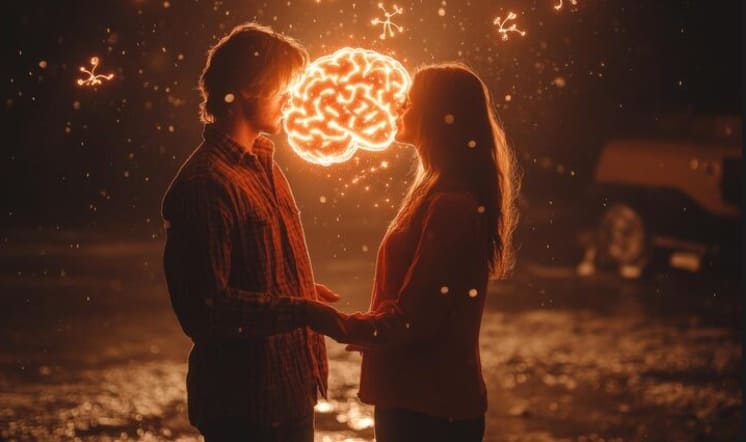
Love is often thought of as a balance between reason and emotion, yet time and again, intuition proves to be a more powerful guide than logic. While logic analyzes compatibility, practicality, and consequences, intuition taps into deeper emotional truths that the conscious mind may overlook. It allows us to sense compatibility, anticipate emotional needs, and recognize authentic connection in ways that rational thinking cannot fully explain. In this blog, we’ll explore why intuition plays a bigger role than logic in love, how it shapes our decisions, and why learning to trust it can lead to richer, more meaningful relationships.Here’s Why Intuition Plays Bigger Role Than Logic in Love?
1. The Subtle Language of the Heart
Intuition operates beneath conscious thought, picking up on subtle cues that logic often misses. A smile, tone of voice, or slight body language shift can communicate compatibility or incompatibility before the mind fully registers it. While logic relies on facts and reasoning, intuition is attuned to emotional resonance and energy, allowing you to sense authenticity and connection on a deeper level. This subconscious understanding often guides initial attraction and decisions in ways that rational analysis cannot replicate.
2. Immediate Emotional Recognition
Logic requires time to evaluate pros and cons, analyze compatibility, and predict outcomes. Intuition, however, acts instantaneously. You may feel an unexplainable pull toward someone or a subtle warning that something is off. These immediate feelings often reflect accumulated subconscious observations of behavior, emotional patterns, and energy alignment. While logic struggles to quantify feelings, intuition quickly signals whether a connection is promising or potentially harmful.
3. Beyond Surface-Level Understanding
Logic often focuses on superficial indicators such as appearance, status, or shared interests. Intuition looks deeper, sensing qualities like empathy, emotional availability, and integrity. You may not consciously notice these traits initially, but your intuition recognizes alignment at a soul level. This deeper perception allows for attraction and connection that surpasses what reason alone can explain, guiding you toward relationships with authentic compatibility.
4. Detecting Emotional Energy
Every person emits subtle emotional energy that intuition can detect. Logic evaluates measurable behaviors, but it cannot perceive whether someone’s energy feels nurturing, stable, or chaotic. Intuition picks up on these vibrations, guiding you toward individuals whose energy harmonizes with yours. This stage highlights why logical reasoning often fails to predict long-term emotional satisfaction in love—it cannot measure emotional resonance.
5. Recognizing Hidden Motives
Intuition allows you to sense intentions and motives that may be hidden or unspoken. While logic relies on explicit communication and observable actions, intuition can detect inconsistencies between words and energy. For example, someone may verbally express affection while their behavior suggests detachment or self-interest. Intuitive awareness helps you navigate these subtle signals, protecting your emotional well-being.
6. Guiding Through Emotional Complexity
Love is rarely straightforward; it involves complex emotions, vulnerabilities, and unspoken needs. Logic can overanalyze or misinterpret feelings, leading to indecision or unrealistic expectations. Intuition, however, cuts through complexity, providing clarity about emotional alignment and relational potential. It allows you to respond to the heart’s signals in real time, creating a more authentic and empathetic approach to love.
7. Intuition Enhances Decision-Making
While logic weighs pros and cons, intuition often guides choices that feel “right” even when they defy reason. Decisions in love frequently involve intangible factors—emotional compatibility, timing, and energy dynamics—that cannot be quantified. Trusting intuition in these moments allows for choices that feel natural and harmonious, rather than forced or purely analytical.
8. Preventing Overthinking and Paralysis
Excessive reliance on logic can lead to overthinking, second-guessing, and analysis paralysis. You may endlessly evaluate a partner’s traits, questioning every interaction and possibility. Intuition provides immediate guidance, cutting through mental noise and offering clarity. By trusting your gut, you reduce unnecessary stress and make more confident, emotionally aligned decisions in love.
9. Alignment With Personal Values
Intuition is often rooted in your core values and emotional needs. It can detect when a potential partner aligns with your principles, even if you haven’t consciously articulated them. Logic may focus on compatibility in measurable areas like lifestyle or career, but intuition senses deeper alignment with your emotional priorities, such as honesty, empathy, and mutual respect.
10. The Role of Subconscious Experience
Intuition draws on past experiences, subconscious observations, and emotional memory. Your mind quickly recognizes patterns in behavior, energy, and emotional cues, forming a gut response that logic cannot replicate. This subconscious wisdom guides attraction, trust, and decision-making, ensuring that choices in love are informed by a lifetime of subtle emotional learning, not just conscious reasoning.
11. Feeling Safety Before Understanding
Intuition helps you sense emotional safety before logic can validate it. You may feel instantly comfortable or uneasy around someone, even without knowing why. Logic would require evidence or explanation, but intuition assesses the subtle interplay of energy, tone, and behavior, giving you an immediate sense of whether the connection is nurturing or potentially harmful.
12. Detecting Red Flags Early
While logic can identify obvious incompatibilities, intuition often detects subtle red flags that reason overlooks. A slight inconsistency in behavior, hesitation in communication, or micro-expressions of disinterest can trigger a gut feeling of caution. Trusting intuition at this stage protects you from investing in relationships that could lead to emotional pain.
13. Navigating Unspoken Needs
People rarely communicate all their desires and needs explicitly. Intuition bridges this gap by sensing what is not being said. It helps you understand emotional expectations, unexpressed fears, and underlying motivations, allowing you to connect more authentically without waiting for logic to catch up.
14. Balancing Heart and Mind
Intuition does not eliminate logic—it complements it. Emotional maturity allows you to balance gut feelings with rational evaluation. While logic assesses compatibility in tangible ways, intuition addresses emotional resonance. This synergy leads to more informed and emotionally aligned decisions in love.
15. Recognizing True Compatibility
True compatibility extends beyond shared interests or lifestyle. Intuition assesses alignment at an emotional and energetic level, sensing whether two individuals naturally resonate with each other. Logic can quantify some factors, but it cannot fully measure emotional connection, chemistry, or the ease of understanding another’s emotional world.
16. Responding to Subtle Cues
Body language, tone of voice, and energy shifts are often overlooked by logic but detected by intuition. These subtle cues reveal feelings and intentions, providing early insight into a partner’s authenticity, emotional availability, or engagement. Intuition allows you to respond with sensitivity and awareness, enhancing communication and connection.
17. Avoiding Over-Rationalization of Feelings
Logic can sometimes dismiss feelings as irrational, creating internal conflict or self-doubt. Intuition validates emotional truth, allowing you to honor your feelings even when they defy reasoning. This stage is crucial for maintaining authenticity and ensuring your emotional needs are recognized and respected.
18. Guiding Through Uncertainty
Love often involves uncertainty, risks, and unpredictability. Intuition navigates these complexities by providing guidance when logic cannot offer definitive answers. By trusting your gut, you can move forward with confidence, even in ambiguous situations, and make choices that honor both heart and mind.
19. Enhancing Emotional Connection
Intuition strengthens the depth of emotional bonds. It allows you to sense moods, unspoken fears, and desires, creating a richer, more empathetic connection. While logic evaluates compatibility superficially, intuition fosters understanding, empathy, and intimacy, which are essential for long-term relational satisfaction.
20. Recognizing Long-Term Potential
Intuition can foresee relational dynamics over time, sensing whether a partnership is sustainable. Logic might focus on immediate attraction or convenience, but intuition evaluates patterns of behavior, emotional growth, and alignment of values, guiding you toward relationships with enduring potential.
21. Trusting Emotional Resonance Over Lists
Logic often relies on lists—qualities, traits, or checkboxes—to evaluate potential partners. Intuition prioritizes emotional resonance over rigid criteria. Feeling “right” with someone, even when they don’t meet every logical expectation, often signals authentic compatibility that lists cannot capture.
22. Navigating Conflicting Signals
Sometimes a partner’s words and actions conflict. Logic may get stuck in analysis, trying to reconcile contradictions. Intuition cuts through this confusion, sensing the overall emotional truth and guiding your responses based on deeper awareness rather than surface contradictions.
23. Valuing Authentic Chemistry
Intuition identifies chemistry that logic cannot explain. This natural attraction goes beyond physical appearance or common interests. It encompasses energy, emotional synchronicity, and subtle behavioral harmony—components that are sensed, felt, and understood rather than reasoned.
24. Prioritizing Emotional Health
Intuition often protects your emotional well-being by signaling when a connection may be draining or misaligned. Logic might rationalize staying for convenience, fear of loneliness, or practicality, but intuition warns when emotional imbalance is present, preserving your mental and emotional health.
25. Recognizing When to Let Go
Intuition guides you not only toward love but also away from it when necessary. You may feel that a connection is no longer serving your growth, even if logic struggles to justify ending it. This gut understanding fosters self-respect, emotional clarity, and healthier future relationships.
26. Tapping Into Subconscious Wisdom
Your subconscious holds patterns from past relationships, experiences, and learned emotional responses. Intuition draws from this vast repository, providing guidance that logic cannot access consciously. It synthesizes emotional history into immediate, actionable insights about present connections.
27. Recognizing Mutual Energy Flow
Intuition senses the flow of energy between you and a partner. You can feel when there’s balance, reciprocity, and harmony—or detect when energy is blocked or one-sided. Logic cannot perceive this dynamic, yet intuition is critical for understanding the quality and sustainability of the relationship.
28. Enhancing Empathy and Compassion
Intuition heightens your ability to empathize with a partner’s unspoken feelings. It allows you to respond with compassion, patience, and understanding, deepening connection. Logic can prescribe solutions, but only intuition can guide emotional responsiveness in the nuanced realm of love.
29. Guiding Risk-Taking in Love
Love requires vulnerability and risk. Intuition helps determine when taking emotional risks is safe and likely to result in growth and connection. Logic may overemphasize potential negative outcomes, but intuition balances caution with openness, encouraging authentic emotional investment.
30. Trusting the Heart for True Fulfillment
Ultimately, intuition prioritizes emotional fulfillment over rational calculation. While logic can ensure practicality or social approval, intuition ensures that love resonates with your heart, values, and emotional needs. Emotional satisfaction, deep connection, and long-term harmony are often guided more by gut feeling than analytical reasoning, proving why intuition plays a bigger role than logic in love.