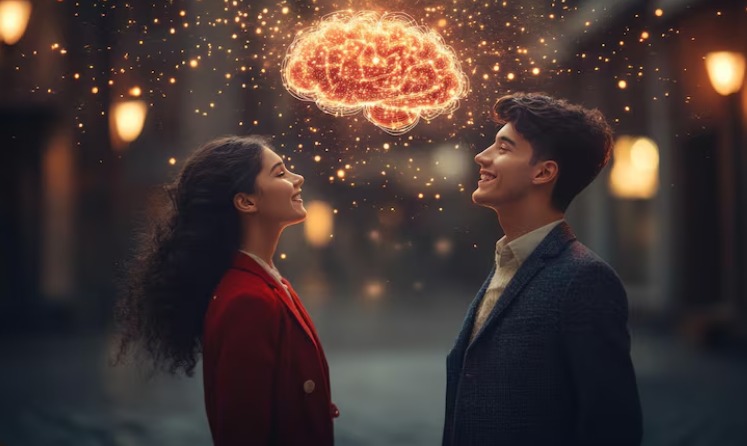
The Hidden Psychology Behind Attraction and Obsession examines why humans develop intense fascination or infatuation toward certain individuals. Attraction often begins with biological, emotional, and psychological factors that trigger desire and curiosity. Obsession can emerge when the mind repeatedly dwells on someone, mixing admiration, longing, and fear of loss. Understanding this psychology helps us see the patterns behind infatuation, recognize emotional triggers, and navigate relationships more consciously. While attraction can spark excitement and connection, unchecked obsession can lead to imbalance, stress, or unhealthy dependency. Exploring these mechanisms reveals how desire, attachment, and the subconscious mind intertwine to influence feelings and behavior.
1. The Role of Neurochemicals
Biology drives initial attraction.
Dopamine, oxytocin, and serotonin play key roles in creating feelings of pleasure, attachment, and emotional reward when we are drawn to someone. These chemicals reinforce attention and focus, often sparking fascination that can become obsessive.
2. Familiarity and Similarity
The mind seeks comfort.
We tend to be attracted to people who share traits, interests, or values with us. Familiarity triggers a sense of safety, while similarity reinforces connection, often deepening emotional attachment.
3. The Power of Mystery
Ambiguity fuels curiosity.
When aspects of a person remain unknown, the brain fills gaps with imagination, increasing fascination and the desire to learn more, which can enhance attraction and intensify obsession.
4. Emotional Triggering
Past experiences influence desire.
People often gravitate toward individuals who unconsciously trigger unresolved emotional needs, such as security, validation, or nostalgia, reinforcing both attraction and the intensity of obsessive thoughts.
5. Physical and Visual Cues
The brain responds to appearance.
Symmetry, body language, and facial expressions can subconsciously signal health, vitality, or compatibility, activating attraction and sustained focus on the person.
6. The Thrill of Pursuit
Challenge enhances desire.
When someone is perceived as slightly unattainable or mysterious, the brain rewards effort and pursuit, increasing engagement and emotional intensity.
7. Attachment Styles
Psychology shapes patterns.
Individuals with anxious attachment may experience stronger obsession, while secure attachment fosters balanced attraction. Understanding one’s attachment style helps explain why some people become fixated while others maintain perspective.
8. Emotional Highs and Lows
Intensity strengthens focus.
The interplay of excitement, jealousy, or uncertainty creates emotional highs and lows that reinforce preoccupation with the person, enhancing both attraction and obsessive thoughts.
9. Cognitive Biases
The mind favors patterns.
Confirmation bias can make us notice only the behaviors that reinforce attraction or justify fixation, amplifying emotional intensity and obsession.
10. Fantasy and Idealization
Imagination amplifies infatuation.
Projecting ideal traits onto someone, even exaggerating qualities, enhances fascination and can blur reality with desire, deepening both attraction and obsessive focus.
11. Scarcity Effect
Rarity increases desire.
When someone feels emotionally unavailable or difficult to reach, the brain interprets this scarcity as higher value, making attraction stronger and fueling obsessive thoughts as the mind chases what seems limited.
12. Emotional Dependence
Attachment can intensify obsession.
Repeated emotional rewards—like attention, affection, or approval—create reliance on the person for validation, making the mind dwell on them frequently and heightening emotional fixation.
13. Mirror Neurons and Empathy
Connection deepens through reflection.
Observing another person’s expressions or emotions triggers similar feelings in your own brain, increasing empathy, understanding, and attachment, which can strengthen fascination and obsession.
14. Social Proof
Others’ opinions influence desire.
Knowing someone is admired, desired, or respected by peers can increase our own attraction and focus, often subconsciously validating the obsession.
15. Novelty and Excitement
The brain craves new experiences.
Unique behaviors, interests, or unpredictability create excitement and dopamine release, which reinforces attention, fascination, and the tendency to fixate.
16. Emotional Vulnerability
Openness accelerates attachment.
When someone shares personal stories or secrets, the brain perceives intimacy and trust, strengthening emotional bonds and enhancing both attraction and obsessive thinking.
17. Social and Environmental Cues
Context shapes perception.
Where and how you encounter someone—through shared events, mutual friends, or specific settings—can reinforce attraction by associating them with positive emotions or exciting experiences.
18. Dopamine Feedback Loops
Reward systems fuel obsession.
Small positive interactions trigger dopamine release, reinforcing behavior and focus on the person, which makes thoughts about them repetitive and persistent.
19. Idealized Projection
Imagination fills gaps.
The mind projects qualities or fantasies onto someone based on desires, increasing emotional attachment while sometimes disconnecting perception from reality.
20. Fear of Loss
Anxiety strengthens focus.
Worrying about losing someone increases attention and preoccupation, intensifying both attraction and obsessive thinking as the brain prioritizes threat and reward simultaneously.
21. Anticipation and Reward
Waiting heightens desire.
The brain releases dopamine in anticipation of positive interactions, making each encounter more exciting and increasing the mental time spent thinking about the person.
22. Cognitive Dissonance
Conflict fuels obsession.
When behavior and desires don’t align—such as being drawn to someone unavailable—the mental tension makes the mind repeatedly process scenarios, increasing preoccupation and fascination.
23. Emotional Contagion
Feelings are shared subconsciously.
Being around someone who is joyful, passionate, or intense can make you mirror their emotions, creating attachment and enhancing fascination through shared energy.
24. Psychological Reactance
Restrictions increase desire.
When someone seems distant, unavailable, or forbidden, the mind interprets this as a challenge, intensifying focus and deepening obsession.
25. Personal Insecurities
Uncertainty fuels fixation.
If a person’s attention validates self-worth, insecurities can amplify obsession as the mind seeks constant reassurance and approval.
26. Romantic Scripts
Cultural narratives shape perception.
Movies, books, and media teach us to equate longing with love, which can intensify attraction and obsessive thinking by framing desire as a dramatic, emotionally charged experience.
27. Subtle Competition
Comparisons heighten focus.
Noticing others’ interest in the person or perceived competition increases attention, attachment, and mental energy spent on analyzing and pursuing them.
28. Emotional Memory
Past experiences shape fixation.
Early emotional experiences—positive or negative—can create patterns where the brain subconsciously seeks similar dynamics, enhancing attraction or obsession toward certain traits.
29. Hormonal Influence
Physiology drives fascination.
Hormones such as testosterone, estrogen, and oxytocin affect desire, focus, and emotional intensity, shaping how strongly someone can attract or captivate attention.
30. Attention Bias
Focus reinforces obsession.
The brain naturally notices and prioritizes stimuli related to someone we desire, increasing mental preoccupation and reinforcing patterns of fixation.
31. Obsessive Thinking Loops
The mind repeats emotional patterns.
When attraction intensifies, thoughts about the person can loop endlessly, creating mental preoccupation. These loops often mix longing, curiosity, and imagined scenarios, reinforcing obsession and making it hard to focus elsewhere.
32. Heightened Emotional Sensitivity
Small actions feel significant.
People in attraction or obsession often read subtle gestures, words, or expressions with amplified importance. A smile, glance, or minor interaction can trigger strong emotional responses, further feeding the cycle of fascination.
33. Emotional Rollercoaster
Intense feelings create attachment.
The ups and downs of excitement, anxiety, and anticipation release emotional highs and lows, which can paradoxically deepen attachment and make the mind linger on the person.
34. Fear of Rejection
Anxiety reinforces attention.
The possibility of being rejected or losing someone activates hyper-focus, as the brain continuously analyzes behaviors and responses to protect against emotional loss.
35. Dopamine and Uncertainty
Unpredictability drives fascination.
The brain releases dopamine in uncertain or novel situations, which makes interactions with unpredictable individuals more stimulating and can intensify obsessive attention.
36. Emotional Anchoring
Past experiences attach significance.
If someone evokes memories of prior emotional experiences—positive or negative—the mind anchors their presence to strong feelings, making them more compelling and increasing fixation.
37. Idealization vs. Reality
The brain exaggerates positives.
We often highlight desirable traits while minimizing flaws, constructing a mental ideal that strengthens obsession and makes the person feel more “magical” than they may actually be.
38. Intermittent Reinforcement
Unpredictable rewards strengthen focus.
Small, inconsistent displays of affection or attention increase desire and obsession because the brain anticipates the next “reward,” creating a compulsive cycle of thought and attention.
39. Emotional Projection
We project desires onto others.
Sometimes attraction is intensified by projecting unmet needs, fantasies, or ideals onto the person, creating a stronger emotional bond in the mind than may exist in reality.
40. Heightened Sensory Attention
Physical cues capture focus.
Sights, sounds, or scents associated with the person trigger emotional arousal, keeping attention locked onto them and reinforcing obsessive tendencies.
41. Social Validation
Others’ reactions influence focus.
Seeing peers admire or desire someone can amplify attraction, creating subconscious pressure to value and fixate on that individual more intensely.
42. Emotional Storytelling
The mind creates narratives.
We construct stories about potential futures, imagined scenarios, or “what ifs” with the person, feeding mental preoccupation and obsession.
43. Familiarity vs. Novelty
Balance drives attachment.
People are drawn to traits that feel both familiar and novel—comfort plus excitement—which keeps emotional interest heightened and attention persistent.
44. Attachment Needs
Unmet emotional needs increase obsession.
If someone satisfies longing for security, attention, or affirmation, the brain strengthens attachment patterns that maintain focus and emotional dependence.
45. Fantasized Intimacy
Imagination strengthens emotional bonds.
Mentally rehearsing conversations, encounters, or shared experiences creates a sense of closeness that fuels obsession even without direct interaction.
46. Subtle Power Dynamics
Control and attention intertwine.
Shifts in perceived power or influence within interactions can intensify attraction and make the mind more focused on monitoring and understanding the other person.
47. Nostalgic Triggers
Past memories shape attraction.
Reminders of previous meaningful relationships or experiences can amplify emotional intensity, making attraction feel deeper and more consuming.
48. Mirror Desires
We seek reflection of ourselves.
Being drawn to someone who reflects our ideals, values, or aspirations strengthens fascination, as the brain equates them with validation and alignment with our self-concept.
49. Emotional Investment
The more we invest, the stronger the pull.
Time, attention, and energy spent thinking about or interacting with someone increase emotional attachment, making detachment or disinterest feel difficult.
50. The Obsession Cycle
A combination of biology and psychology.
Attraction and obsession are fueled by neurochemistry, emotional need, mental projection, and social cues. Understanding these mechanisms empowers individuals to recognize patterns, maintain perspective, and navigate desire consciously without losing balance or self-control.