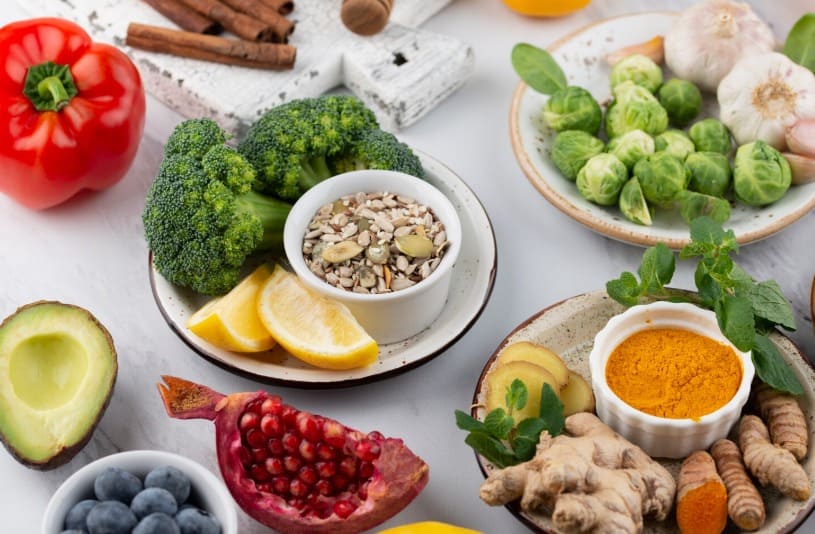
Inflammation is your body’s natural defense mechanism. It occurs when the immune system responds to injury, infection, or stress. Acute inflammation is beneficial—it helps your body heal—but chronic inflammation can silently damage tissues, increase the risk of disease, and sap energy over time. Conditions such as arthritis, cardiovascular disease, diabetes, obesity, and even depression have been linked to persistent inflammation. The Foods That Naturally Reduce Inflammation
Why Anti-Inflammatory Foods Are Essential
1. Protect Against Chronic Diseases
Research shows that diets rich in anti-inflammatory foods lower the risk of heart disease, diabetes, and some cancers. Chronic inflammation is a silent contributor to these conditions, and diet is one of the most powerful ways to fight it naturally.
2. Improve Digestive Health
Anti-inflammatory foods, such as fiber-rich vegetables and fermented foods, support healthy gut microbiota. A balanced gut microbiome reduces inflammation, improves nutrient absorption, and strengthens immunity.
3. Boost Energy and Cognitive Function
Inflammation can cause fatigue and brain fog. Consuming anti-inflammatory foods supports stable blood sugar levels and promotes mental clarity, allowing you to feel more energized throughout the day.
4. Support Healthy Aging
Inflammation accelerates cellular aging. Antioxidant-rich foods protect cells from oxidative damage, slowing the aging process and reducing the risk of age-related diseases.
Top Foods That Naturally Reduce Inflammation
Let’s dive into the foods scientifically proven to combat inflammation:
1. Fatty Fish
Salmon, mackerel, sardines, and tuna are rich in omega-3 fatty acids, which lower inflammatory proteins and promote cardiovascular health. Omega-3s also support brain function and reduce joint stiffness.
Tip: Aim for 2–3 servings per week. Grill, bake, or steam to retain nutrients.
2. Leafy Greens
Spinach, kale, collard greens, and Swiss chard are packed with vitamins A, C, and K, along with phytonutrients that neutralize free radicals. Their anti-inflammatory properties support cellular health and reduce oxidative stress.
Tip: Include a handful in smoothies, salads, or sautéed dishes daily.
3. Berries
Blueberries, raspberries, strawberries, and blackberries contain anthocyanins—powerful compounds that reduce inflammation and protect against heart disease and cognitive decline.
Tip: Add berries to breakfast, snacks, or smoothies. Frozen berries retain most nutrients.
4. Nuts and Seeds
Almonds, walnuts, chia seeds, and flaxseeds are rich in healthy fats, fiber, and anti-inflammatory compounds. They help lower cholesterol and support gut health.
Tip: Snack on a small handful daily or sprinkle seeds over salads and oatmeal.
5. Olive Oil
Extra virgin olive oil contains oleocanthal, which has anti-inflammatory effects similar to ibuprofen. It supports heart, brain, and joint health.
Tip: Use it for cooking or drizzling over vegetables and salads.
6. Turmeric
Curcumin, the active ingredient in turmeric, is a potent anti-inflammatory and antioxidant. It can reduce markers of inflammation in the body. Pairing it with black pepper improves absorption.
Tip: Add turmeric to soups, curries, rice, or golden milk.
7. Green Tea
Green tea contains polyphenols like EGCG, which fight free radicals and reduce inflammatory damage. Regular consumption may lower the risk of heart disease and improve metabolic health.
Tip: Drink 2–3 cups per day. Avoid adding sugar to maximize benefits.
8. Tomatoes
Rich in lycopene, tomatoes reduce inflammatory markers and support cardiovascular health. Cooking them increases lycopene bioavailability.
Tip: Use cooked tomato sauces, soups, or roasted tomatoes.
9. Garlic and Onions
Sulfur compounds in garlic and onions inhibit pro-inflammatory enzymes and support immune function.
Tip: Incorporate raw garlic in dressings or lightly sauté onions in meals.
10. Whole Grains
Oats, quinoa, brown rice, and barley are high in fiber, supporting gut bacteria that reduce inflammation. Avoid refined grains, which can increase inflammatory markers.
Tip: Replace white rice or bread with whole grain alternatives.
Additional Anti-Inflammatory Foods
- Peppers: Bell peppers are high in vitamin C and antioxidants.
- Dark Chocolate: Contains flavonoids that reduce inflammation—choose ≥70% cocoa.
- Avocados: Healthy fats and polyphenols combat inflammation and support heart health.
- Mushrooms: Varieties like shiitake and maitake have anti-inflammatory compounds.
- Fermented Foods: Yogurt, kefir, kimchi, and sauerkraut improve gut health and reduce inflammation.
Practical Ways to Incorporate Anti-Inflammatory Foods
- Start Your Day With a Nutrient Boost
Add berries, chia seeds, or flaxseeds to oatmeal or smoothies. - Include Leafy Greens in Every Meal
Spinach in omelets, kale in salads, and Swiss chard sautéed with olive oil. - Cook With Anti-Inflammatory Spices
Use turmeric, garlic, ginger, and cinnamon to flavor dishes naturally. - Snack Smart
Choose nuts, seeds, or dark chocolate instead of processed snacks. - Eat Fatty Fish Regularly
Aim for 2–3 servings per week to increase omega-3 intake.
Lifestyle Tips That Complement Anti-Inflammatory Foods
- Stay Hydrated: Water supports detoxification and reduces inflammation.
- Exercise Regularly: Physical activity lowers inflammatory markers.
- Prioritize Sleep: Poor sleep increases chronic inflammation.
- Manage Stress: Meditation, yoga, or breathing exercises reduce stress-related inflammation.
- Avoid Processed Foods and Sugar: They promote inflammatory responses in the body.
Anti-Inflammatory Meal Plan (Sample)
Breakfast:
- Oatmeal with blueberries, chia seeds, and a sprinkle of cinnamon.
Snack:
- Handful of walnuts or almonds.
Lunch:
- Grilled salmon with sautéed kale and cherry tomatoes drizzled with olive oil.
Snack:
- Greek yogurt with flaxseeds and sliced strawberries.
Dinner:
- Quinoa bowl with roasted vegetables, garlic, turmeric, and avocado slices.
Beverages:
- Green tea or warm water with lemon.
Real-Life Impact of Anti-Inflammatory Diet
- Joint Health: Studies show omega-3 fatty acids reduce stiffness and pain in arthritis patients.
- Heart Health: Diets high in fruits, vegetables, and olive oil lower inflammation and protect against cardiovascular disease.
- Brain Function: Polyphenols from berries and green tea enhance cognitive function and protect against neurodegeneration.
- Digestive Wellness: Fiber-rich foods and fermented foods reduce gut inflammation and improve digestion.
Common Mistakes to Avoid
- Relying solely on supplements instead of whole foods.
- Eating processed or fried foods that counteract anti-inflammatory effects.
- Neglecting lifestyle factors like sleep, exercise, and stress management.
- Overlooking hydration—water is critical to reducing inflammation.
Conclusion
Chronic inflammation is a silent contributor to many health problems, but nature provides simple, powerful solutions through foods naturally reduce inflammation. By incorporating colorful fruits and vegetables, fatty fish, nuts, seeds, whole grains, spices, and green tea into your daily diet, you can support your immune system, improve gut health, reduce disease risk, and boost energy levels.
A consistent anti-inflammatory diet, combined with exercise, stress management, and proper sleep, creates a holistic approach to wellness. Small, intentional choices in what you eat today have the power to transform your health tomorrow.