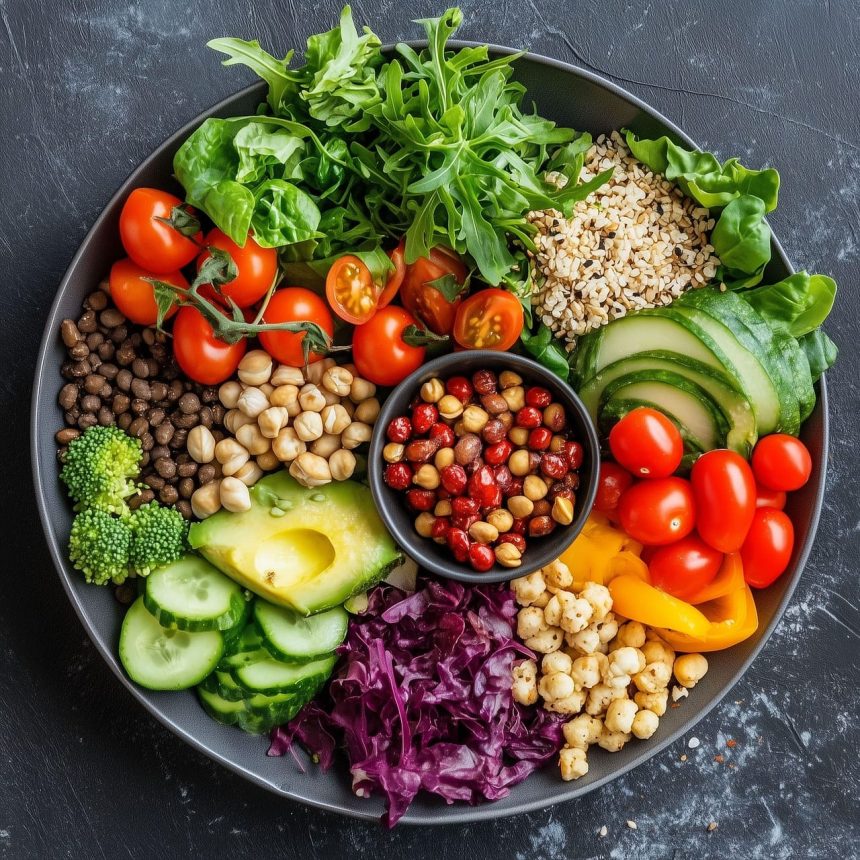
Knowing how to make food healthy and delicious is the secret to maintaining a balanced diet without compromising on taste. Many people assume healthy meals are bland or unsatisfying, but with the right ingredients, cooking methods, and flavor-enhancing techniques, it’s possible to enjoy meals that are both nutritious and flavorful. From fresh vegetables to lean proteins and creative spices, you can transform everyday dishes into culinary delights that support your health and satisfy your taste buds.
Eating well doesn’t have to mean giving up on flavor. A healthy diet improves energy, immunity, and overall well-being, while delicious meals encourage consistency and enjoyment. Combining nutrition and taste ensures that you don’t feel deprived, making it easier to stick to long-term dietary goals. Understanding ingredients, cooking methods, and seasoning techniques is key to mastering how to make food healthy and delicious in every meal.
Tips to Make Food Healthy and Delicious
1. Use Fresh Ingredients
Fresh fruits, vegetables, and herbs enhance flavor naturally without adding extra calories.
2. Opt for Whole Grains
Brown rice, quinoa, and whole wheat pasta provide fiber and improve satiety.
3. Incorporate Lean Proteins
Chicken, fish, tofu, and legumes add protein without excessive saturated fat.
4. Cook With Healthy Fats
Olive oil, avocado, and nuts enhance flavor while supporting heart health.
5. Experiment With Herbs and Spices
Basil, cumin, garlic, paprika, and ginger add layers of taste without salt.
6. Balance Sweetness Naturally
Use fruits, honey, or maple syrup instead of refined sugar.
7. Use Low-Sodium Alternatives
Soy sauce, tamari, or lemon juice can replace excess salt while boosting flavor.
8. Incorporate Seasonal Produce
Seasonal vegetables and fruits are fresher, tastier, and more nutrient-dense.
9. Try Roasting or Grilling
These methods enhance natural flavors without excess oils or butter.
10. Add Crunch
Nuts, seeds, or lightly toasted grains make dishes more satisfying.
Cooking Techniques
- Steam vegetables to retain nutrients and color.
- Sauté with minimal oil and plenty of herbs.
- Bake proteins with spice rubs instead of frying.
- Blend smoothies with leafy greens and fruits.
- Use citrus juice to enhance flavor naturally.
- Marinate meats with herbs and low-sodium ingredients.
- Make homemade sauces to control sugar and salt.
- Stir-fry quickly to keep vegetables crisp.
- Experiment with air frying for healthy “fried” dishes.
- Slow-cook stews for deep, rich flavors.
Flavor Enhancement Tips
- Add fresh herbs at the end of cooking for a burst of aroma.
- Use roasted garlic instead of raw for a milder taste.
- Add a small amount of dark chocolate to enhance desserts.
- Toast spices before cooking to unlock flavor.
- Use infused oils like chili or basil oil sparingly.
- Add a splash of balsamic vinegar for tangy depth.
- Incorporate umami-rich ingredients like mushrooms or miso.
- Pair contrasting textures: creamy with crunchy.
- Include fresh citrus zest in salads or baked goods.
- Use naturally sweet vegetables like carrots or beets in soups.
31–40: Meal Planning Strategies
- Prep ingredients ahead to reduce cooking stress.
- Plan meals around seasonal produce.
- Mix lean proteins with colorful vegetables.
- Include a variety of textures and colors on each plate.
- Rotate recipes weekly to prevent boredom.
- Keep healthy snacks ready for quick flavor boosts.
- Use whole grains as a base for bowls and salads.
- Add small amounts of flavorful toppings instead of sauces.
- Focus on portion control while enhancing taste.
- Include one indulgent element in every meal moderately.
Healthy Recipe Ideas
- Grilled salmon with roasted vegetables and quinoa.
- Chickpea and spinach curry with brown rice.
- Avocado toast with cherry tomatoes and poached egg.
- Greek yogurt parfait with berries and nuts.
- Lentil soup with herbs and roasted garlic.
- Air-fried sweet potato fries with paprika.
- Zucchini noodles with tomato basil sauce.
- Smoothie bowl with spinach, banana, and almond butter.
- Baked chicken with lemon, garlic, and herbs.
- Roasted vegetable salad with a light vinaigrette.
Conclusion: Making Healthy Food Enjoyable
Mastering how to make food healthy and delicious is all about creativity, knowledge, and intention. By combining fresh ingredients, healthy cooking methods, and natural flavors, you can enjoy meals that are both nourishing and satisfying. With practice, you’ll find it easier to stick to a healthy diet without compromising taste, making every meal an opportunity to support your health while enjoying delicious flavors.