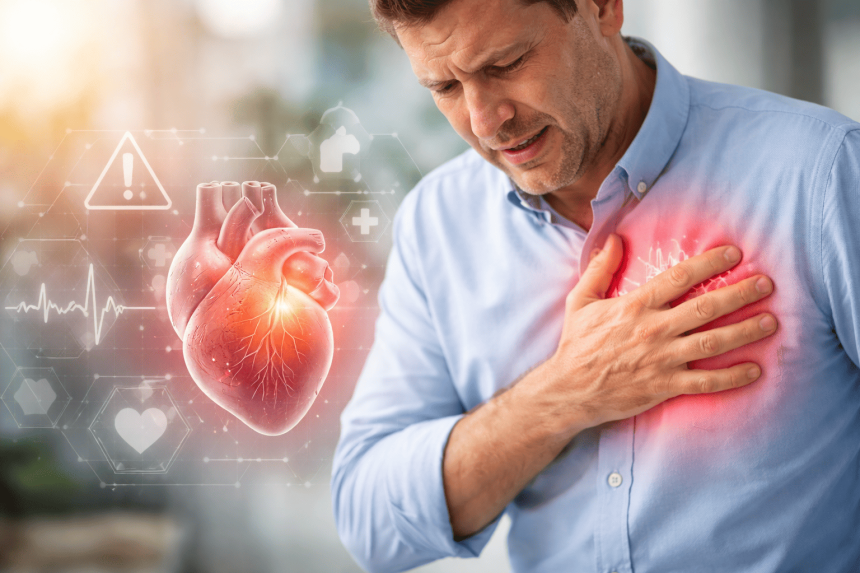
Heart attack signs everyone should recognize are crucial for survival. Heart attacks often strike suddenly, and timely recognition can save lives. While chest pain is the most known symptom, many signs are subtle and easy to overlook, such as shortness of breath, fatigue, or discomfort in the arm, jaw, or back. Awareness of these warning signs allows individuals to seek immediate medical attention, reducing the risk of severe complications or death.
Heart attacks, also known as myocardial infarctions, occur when blood flow to the heart is blocked, causing heart muscle damage. According to global health statistics, thousands of deaths from heart attacks occur each day because symptoms were ignored or misinterpreted. Recognizing early warning signs is the first step in preventing fatalities and ensuring prompt medical treatment.
1. Chest Pain or Pressure
A tight, squeezing, or pressing sensation in the center of the chest is the most common symptom.
2. Pain Radiating to Left Arm
Discomfort often spreads from the chest to the left arm, shoulder, or hand.
3. Pain in the Right Arm
Though less common, pain can radiate to the right arm, sometimes misleading patients.
4. Jaw Pain
Pain or discomfort in the jaw, especially the lower jaw, can be a heart attack sign.
5. Neck Pain
Tension, pressure, or pain in the neck area can indicate cardiac distress.
6. Back Pain
Pain between the shoulder blades is a subtle but important warning sign.
7. Shoulder Pain
Unexplained shoulder discomfort may accompany chest pain during a heart attack.
8. Upper Abdomen Pain
Pain or pressure in the upper abdomen, often mistaken for indigestion, can be cardiac-related.
9. Shortness of Breath
Difficulty breathing may occur with or without chest pain and is a critical symptom.
10. Sudden Fatigue
Extreme or unusual tiredness without exertion can be an early warning, especially in women.
11. Cold Sweats
Breaking out in cold sweat for no apparent reason is a common symptom.
12. Nausea
Feeling sick or queasy can accompany other symptoms, particularly in female patients.
13. Vomiting
Some people may vomit during a heart attack due to disrupted digestion.
14. Dizziness
Feeling lightheaded, faint, or unsteady can indicate insufficient blood flow.
15. Rapid Heartbeat
A racing heart or palpitations may occur during or before a heart attack.
16. Irregular Heartbeat
Arrhythmias or irregular pulse can be a warning sign of heart stress.
17. Heart Flutters
Fluttering sensations in the chest can indicate electrical disturbances during a heart attack.
18. Anxiety or Panic
Sudden unexplained anxiety or a sense of doom may precede heart attacks.
19. Sweating Without Activity
Excessive perspiration without physical exertion is a warning symptom.
20. Feeling Faint
Syncope or feeling about to pass out is a serious sign.
21. Shortness of Breath While Lying Down
Difficulty breathing when reclining can indicate cardiac issues.
22. Rapid Breathing
Breathing faster than normal may occur as the body reacts to reduced oxygen.
23. Coughing
Persistent coughing, sometimes with pink or frothy fluid, may signal heart failure post-attack.
24. Swelling in Feet or Ankles
Fluid retention can occur when the heart cannot pump effectively.
25. Swelling in Legs
Edema is a symptom of compromised heart function, often associated with heart attack aftermath.
26. Loss of Appetite
Feeling nauseous or losing appetite may be subtle early signs.
27. Digestive Discomfort
Heart attacks can sometimes mimic stomach problems, including bloating or indigestion.
28. Belching
Frequent burping or gas may be mistakenly attributed to digestive issues but could indicate heart distress.
29. Feeling Full Quickly
Early satiety may occur alongside upper abdominal discomfort.
30. Tingling or Numbness in Arms
Loss of sensation, pins, or tingling in arms can accompany cardiac events.
31. Tingling in Hands
Similar to arm tingling, this symptom can indicate nerve involvement during a heart attack.
32. Pain Between Shoulder Blades
Middle-back pain is a less obvious but important symptom.
33. Weakness in Limbs
Sudden weakness, especially in one arm, can signal heart distress.
34. Confusion
Mental fog or difficulty concentrating may occur due to reduced blood flow to the brain.
35. Trouble Sleeping
Sudden fatigue or discomfort at night may disrupt sleep prior to a heart attack.
36. Palpitations at Rest
Fluttering heartbeats even when inactive can be a warning.
37. Feeling of Impending Doom
Many heart attack patients report an inexplicable sense of fatality or anxiety.
38. Sweating on Face and Hands
Localized sweating, especially in combination with other symptoms, is a concern.
39. Paleness
Sudden pale complexion can indicate reduced circulation.
40. Cold Hands and Feet
Poor peripheral circulation is a sign of heart stress.
41. Lightheadedness While Standing
Postural dizziness is common when cardiac output drops.
42. Indigestion Misinterpreted as Heartburn
Heart attacks are often mistaken for stomach acid problems.
43. Persistent Cough with Shortness of Breath
Combined symptoms may indicate heart failure after a cardiac event.
44. Pain During Physical Activity
Chest or arm pain during exercise is an urgent warning sign.
45. Persistent Pain at Rest
Pain even without exertion can indicate severe cardiac blockage.
46. Pain Relieved by Rest
Pain that temporarily subsides when resting may indicate angina or heart attack risk.
47. Rapid Onset Symptoms
Sudden appearance of multiple symptoms is often a critical warning.
48. Symptoms Worsen Over Time
Gradually increasing discomfort should not be ignored.
49. Combination of Mild Symptoms
Even mild chest discomfort combined with fatigue, nausea, or dizziness can be dangerous.
50. Unexplained Heartburn-Like Pain
Persistent discomfort in the upper chest that feels like heartburn may be cardiac-related.
Conclusion: Awareness Saves Lives
Recognizing heart attack signs everyone should recognize is vital for survival. While chest pain is the most known indicator, symptoms often vary and can include fatigue, dizziness, nausea, or discomfort in the jaw, neck, or back. Early recognition and immediate action can prevent fatalities and improve recovery outcomes. Prioritizing heart health and symptom awareness is the most effective strategy in combating heart attack risks.