If you’ve ever struggled with rubbery whites, green-tinged yolks, or eggs that refuse to peel cleanly, you’re not alone. The problem? You’re boiling eggs wrong. Professional chefs know the perfect boiled eggs secret—and it starts with never dropping eggs directly into boiling water. In this ultimate guide, you’ll learn the science-backed method for flawless hard-boiled, soft-boiled, and jammy eggs every single time, plus genius tricks for easy peeling and storage.
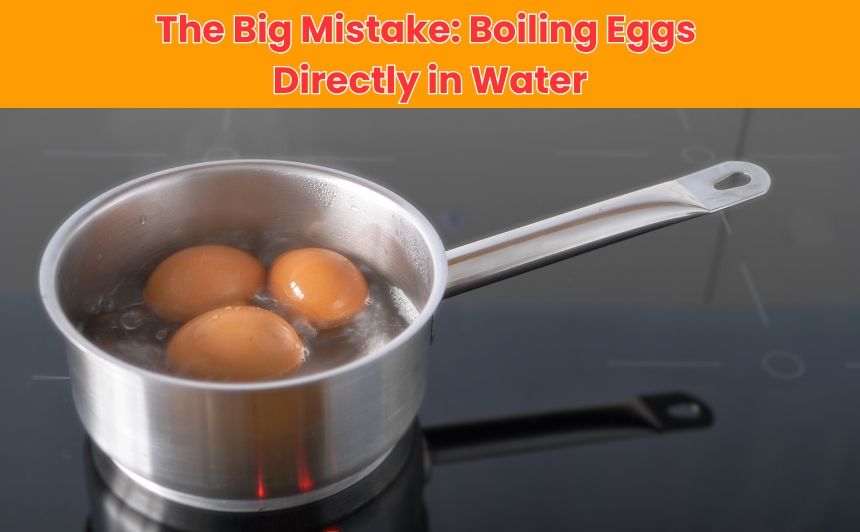
The Big Mistake: Boiling Eggs Directly in Water
Most home cooks make these critical errors:
❌ Starting eggs in boiling water (causes cracks and uneven cooking)
❌ Overcooking (leads to that unappetizing green sulfur ring)
❌ Shocking in ice water too soon (can make peeling harder)
What Happens When You Boil Eggs Wrong?
- Rubbery whites (from too-high heat)
- Green yolks (a chemical reaction from overcooking)
- Frustrating peeling (membrane sticks to shell)
The Chef’s Perfect Boiled Eggs Secret (Step-by-Step)
1. Start with Room-Temperature Eggs
✅ Why? Cold eggs crack in hot water.
✅ Pro Tip: Soak refrigerated eggs in warm water for 5 minutes first.
2. Use a Steamer Basket or Spoon (No Direct Boiling!)
✅ The Game-Changer: Place eggs in a steamer basket over simmering water OR lower them gently with a spoon into already-hot (but not boiling) water.
✅ Why It Works: Gentle heat prevents cracks and cooks evenly.
3. Timing Is Everything
| Egg Style | Simmer Time | Yolk Texture |
|---|---|---|
| Soft-Boiled | 6-7 mins | Runny, dippable |
| Jammy | 8-9 mins | Custardy, slightly firm |
| Hard-Boiled | 11-12 mins | Fully set, no green ring |
4. The Peel-Perfect Ice Bath Trick
✅ Wait 30 seconds after cooking before transferring to ice water.
✅ Why? Lets the egg contract slightly first for easier peeling.
✅ Bonus Hack: Add 1 tsp baking soda to cooking water to raise pH and loosen shells.
Science-Backed Tips for Flawless Eggs
🔬 Fresh vs. Old Eggs: Slightly older eggs (7-10 days) peel easier because their pH changes.
🔬 Pinhole Trick: Prick the fat end with a pin to prevent cracks (releases air pocket).
🔬 Salt or Vinegar? Myths debunked—they don’t prevent cracks but can help with leaks.
5 Next-Level Egg Hacks You’ll Love
- Peel Under Running Water (helps separate membrane)
- Store Unpeeled (lasts longer; peel right before eating)
- Slice with Dental Floss (clean cuts, no crumbles)
- Marinate for Flavor (soy sauce or beet juice for colorful, tasty eggs)
- Freeze Yolks for later use in sauces or baking.
Common Egg Questions Answered
Why do hard-boiled eggs sometimes smell sulfurous?
Overcooking triggers hydrogen sulfide gas (harmless but stinky). Stick to 12 mins max.
Can you microwave eggs in the shell?
⚠️ Never! They can explode. Use a microwave egg cooker instead.
How long do boiled eggs last?
- Unpeeled: 1 week in fridge
- Peeled: 3-4 days (store in water to prevent drying)
Final Verdict: Ditch the Old Method!
By skipping the rolling boil and using the perfect boiled eggs secret (steam or hot-start), you’ll get:
✔ Creamy yolks (no green rings!)
✔ Tender whites (not rubbery)
✔ Easy-peel shells (no more frustration)
Try this method tonight—your egg salad, ramen, and deviled eggs will thank you!