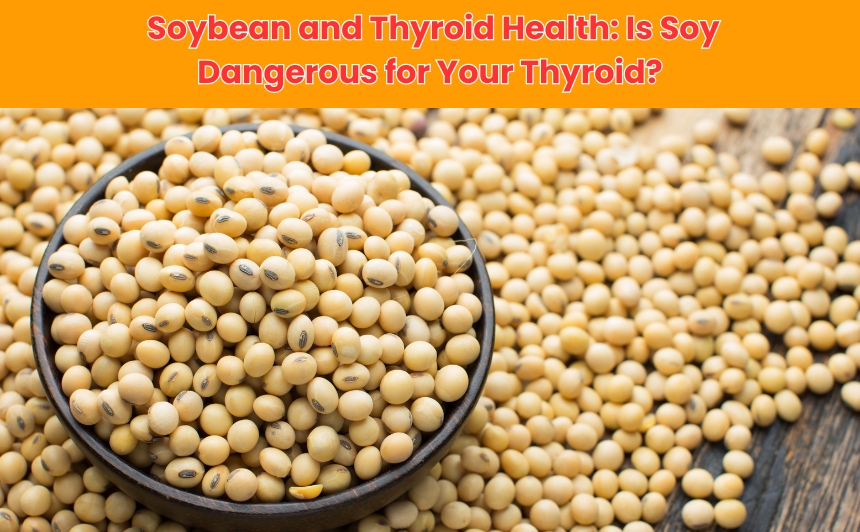
Soybeans are a staple in many diets, especially for vegetarians and vegans, but concerns about their impact on soybean and thyroid health have sparked debates. Some studies suggest that soy may interfere with thyroid function, while others claim it’s safe in moderation. If you have thyroid issues or are at risk, understanding how soy affects your body is crucial. In this in-depth guide, we’ll explore the science behind soy and thyroid function, who should be cautious, and how to enjoy soy without harming your health.
How Soy Affects the Thyroid
Soy contains goitrogens, compounds that may interfere with thyroid hormone production by blocking iodine absorption. Iodine is essential for thyroid function, and without enough, the gland can enlarge (a condition called goiter) or become underactive (hypothyroidism).
Key soy components that may impact the thyroid:
- Isoflavones (phytoestrogens that mimic estrogen)
- Goitrogens (substances that disrupt thyroid hormone synthesis)
Does Soy Cause Hypothyroidism?
Research is mixed:
- Some studies suggest high soy intake may worsen hypothyroidism, especially in people with iodine deficiency.
- Other studies find no significant effect in individuals with normal thyroid function and adequate iodine.
Who should be cautious?
✔ People with existing hypothyroidism
✔ Those with iodine deficiency
✔ Individuals on thyroid medication (soy may interfere with absorption)
Can Soybean Be Safe for Thyroid Health?
Yes—if consumed wisely. Here’s how:
✅ Ensure sufficient iodine intake (seaweed, iodized salt, seafood)
✅ Avoid excessive soy consumption (stick to 1-2 servings per day)
✅ Space out soy and thyroid meds (wait 3-4 hours after taking levothyroxine)
✅ Choose fermented soy (tempeh, miso, natto—may be easier to digest)
Scientific Studies on Soy and Thyroid Function
- A 2006 study in Thyroid found that soy isoflavones may reduce thyroid hormone levels in some individuals.
- A 2019 review in Scientific Reports concluded that soy has minimal impact on thyroid function in healthy people with adequate iodine.
Who Should Avoid Soy?
While most people can tolerate soy in moderation, these groups should limit or avoid it:
- Those with Hashimoto’s thyroiditis (autoimmune hypothyroidism)
- People with diagnosed iodine deficiency
- Individuals sensitive to phytoestrogens
Best Soy Alternatives for Thyroid Health
If you’re concerned about soybean and thyroid health, try these substitutes:
- Lentils & chickpeas (high-protein, thyroid-friendly)
- Quinoa & amaranth (nutrient-rich grains)
- Hemp seeds & chia seeds (good plant-based protein sources)
Final Verdict: Is Soybean Dangerous for the Thyroid?
For most people with normal thyroid function and sufficient iodine, moderate soy consumption is safe. However, if you have hypothyroidism, Hashimoto’s, or iodine deficiency, limiting soy and monitoring your thyroid levels is wise. Always consult your doctor before making major dietary changes.